





Nextbase InSight Connect
Nextbase InSight Connect
Nextbase InSight Connect: better maps and safer roads, built on Privacy by Design
Nextbase InSight Connect helps mapping providers and transportation departments keep maps accurate, fix roads and related hazards faster. It's built on Privacy by Design: faces and license plates are redacted and permanently destroyed before processing.
Privacy by Design is the philosophy behind Nextbase InSight Connect. We solved for privacy first, before we delivered a single image, and every decision since starts with the same questions: does it help make journeys safer, does it improve road efficiency, does it protect the people on the road, and does it meet the privacy laws where we operate, national and local? If the answer to any of them is no, it isn't part of InSight Connect.
Our Privacy by Design promises
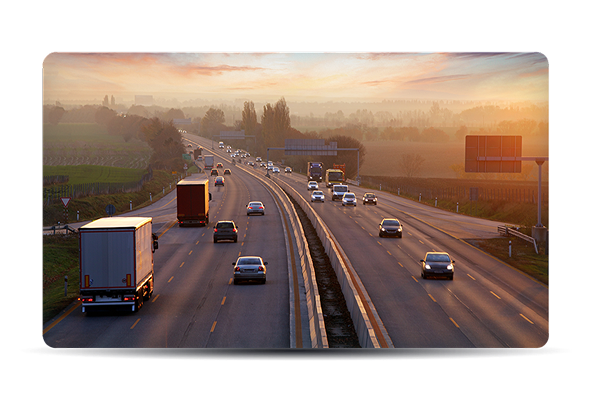
At Nextbase, we want the roads we all share to be safer and proactively maintained. Maps and transportation agencies are always racing to keep up with roads that change every day: a new stop sign, a detour, a fallen tree or a guardrail that's been hit. Finding those changes usually means sending crews out to look.
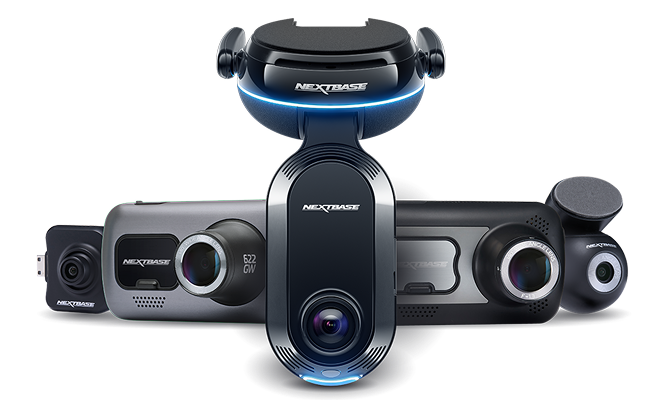
InSight Connect offers a modern approach that's both faster and more efficient. We fit connected Nextbase cameras, built on Privacy by Design, in partner fleets that already drive the same roads every day. A mapping provider or transportation agency requests only the short clip it needs. Faces and plates are permanently destroyed before processing, and forbid publishing clips online.
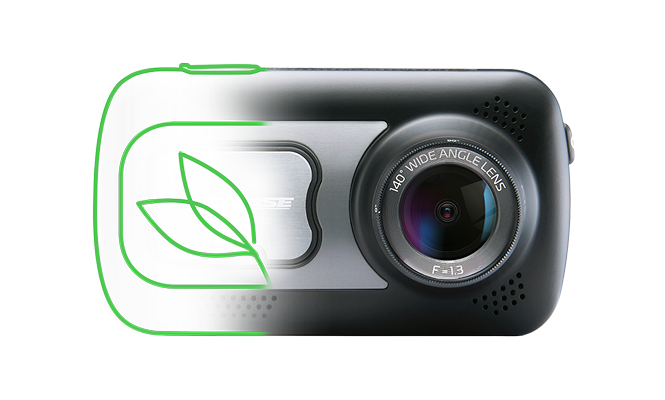
We built InSight Connect on Privacy by Design: privacy is engineered into the camera and the platform from the start, not added afterward. You should be able to see exactly how that works, what InSight Connect is for and what it will never be used for. That's what this page is for.
What InSight Connect is for
InSight Connect has one job: helping the organizations that map and maintain roads see what has changed.
What the imagery is used for
- Keeping maps accurate: new or changed signs, speed limits, turn restrictions, detours and new roads
- Automating identification of road hazards and infrastructure changes: potholes, faded lane markings, hidden or damaged signs, weather-related hazards like flooding, and damaged guardrails
- Planning repairs and smart, proactive dispatch, so crews can fix a problem on the first truck roll, cutting the lengthy cycle times of multiple trips to find a hazard and then fix it
Who uses it
- Mapping and navigation providers
- State and local departments of transportation and other road authorities
- The infrastructure engineering firms that work to automate roadway safety
- Energy utilities
- Emergency management agencies, for storm and flood response
Law enforcement is not a customer and has no access to InSight data.
How it's funded
These organizations pay Nextbase for access to redacted, privacy-compliant road imagery. That's how InSight Connect is funded. It's also why we keep its purpose narrow: the program only works if people trust it.
Privacy by Design, step by step
Privacy by Design means privacy is engineered into the camera and the platform from the start, with protections on by default, rather than added after footage has been collected. Here's what that looks like, step by step.
Only the road-facing camera is operative.
The cabin camera and microphones are permanently disabled, so there's no video of the driver and no audio. The road camera also turns off in designated areas, such as a partner's own depots and facilities, so nothing is recorded there.
Faces and license plates are redacted and permanently deleted before processing.
Before any video is processed, pixels containing faces and license plates are permanently destroyed. They aren't blurred and cannot be restored.
Nothing streams.
Cameras don't upload video continuously or store it in bulk. They send only a small index of where and when they've recorded the road, so partners can see what's available.
Video moves only when it's needed.
A road agency might want to check a pothole someone reported or confirm that a stop sign has gone missing. A mapping provider might need to see whether a new speed limit sign is up. They request that stretch of road at that time, and only then does the camera send a short, silent clip, usually about eight seconds long.
Requests are limited.
We cap how often imagery can be requested from the same vehicle, so the system can't be used to follow where a vehicle goes.
Files are encrypted.
Every file stored on the camera is encrypted individually, and the keys stay with Nextbase.
Clips don't stick around.
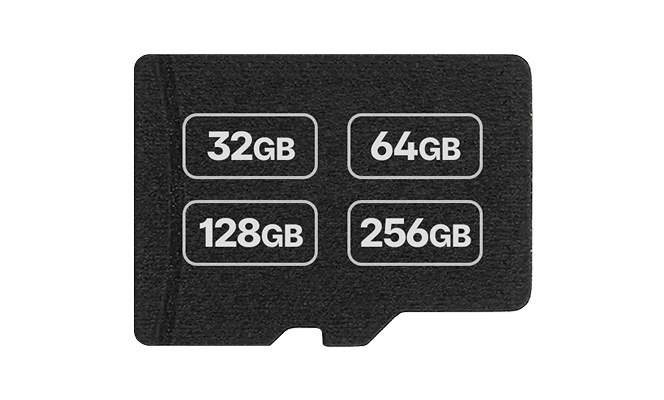
Clips in our cloud are deleted within 24 hours of delivery. Cameras record over their own encrypted storage on a rolling basis, typically within about 30 days.
Law enforcement has no access
Not a customer, no access.
Law enforcement is not a customer of InSight Connect and has no access to it. Police and other agencies have no accounts, no search tool, no live view and no remote access to our cameras. We don't sell, license or share InSight data with them.
No help with routine police matters.
The only exception we will consider is an emergency involving an imminent threat to someone's life, and only with a court order or equivalent legal authority. Our legal and privacy teams review every request.
Even then, faces and plates are already gone.
Anything we provide, under any legal process, has faces and license plates permanently destroyed. There is no unredacted version for us to hand over.
Encryption keys stay exclusively with us.
We never hand over encryption keys voluntarily, and we will contest any legal demand for them.
Frequently asked questions
Which fleets carry InSight Connect cameras?
Is InSight Connect a license plate reader?
Is footage from Nextbase dash cams that people buy part of InSight Connect?
Can it be used to track my car or follow where I go?
Does it record people's homes?
Is the imagery published online?
Who pays for this?
I was just driving or walking past. Did anyone ask my permission?
Could police get footage from a camera in a fleet vehicle?
How accurate is the redaction?
Nextbase is a UK company. Who looks after US data?
Ask about your data
If you think you appear in InSight Connect imagery, want a clip removed or have a question about how imagery is used, contact us:
Email our Data Protection Officer at compliance@nextbase.com
Tell us the date, approximate time and location, and we'll check what we hold and respond under applicable privacy laws and regulations. Because faces and plates are destroyed before any video leaves the camera, in most cases we hold nothing that identifies you. We'll still look into every request.
Learn more
InSight Connect Privacy Policy